Article

How to manage side events happening at your conference, confex or trade show: 7 ways to stop them stealing your revenue

How to manage side events happening at your conference, confex or trade show: 7 ways to stop them stealing your revenue

Tim Groot

CEO & Co-Founder

  • Big idea:
    • Don’t fight side events: structure, package and track them on your own platform

  • Who this is for:
    • Commercial event organizers and portfolio directors
    • Exhibition, confex, conference and trade show organizers
    • Sponsorship, commercial and partnerships leaders
    • Event tech and registration platform buyers

  • What you’ll learn:
    • How to manage side events at trade shows instead of chasing them
    • How to build a side event management strategy for organizers
    • How to stop unofficial side events stealing event revenue
    • How to use side event management software for shows
    • How to create an integrated side event agenda in your mobile app
    • How to turn side events into intent-based leads for sponsors

If you run a large B2B event today, you’re not just competing with other shows.

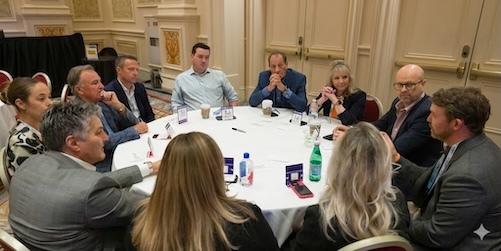
You’re competing with mini events happening at your own show! An ecosystem of private dinners, rooftop drinks, breakfast briefings and invite-only ‘micro-summits’ that orbit your show. Think of them as mini ‘fringe events’ that others are using to piggyback off your show. They might be run by your exhibitors and sponsors or marketers who want to get access to your community by side-stepping your event (costing you revenue).  

Marketers love them because:

  • They can ride on your marketing spend and brand
  • They get small rooms with high-value ICPs
  • They keep full control of the guest list and discussion

For you as the organizer, unmanaged side events mean:

  • Sponsorship and stand budget leaking into off-platform dinners
  • Attendees are disappearing to hotel bars instead of keynotes and expo time
  • Zero visibility on who met whom and what drove revenue
  • A slow slide from ‘must-attend flagship event’ to ‘expensive reason to be in the same city’

Side events aren’t going away. But they can either drain your event or power it. The difference is whether you have a clear side event management strategy.

Below are 7 practical ways to stop side events taking over your event and turn them into a measurable, sponsor-loving revenue stream.

1. Name the problem: treat side events as a product, not a nuisance

If the internal conversation is “How do we stop these dinners?” or even “Send a cease and desist letter from our lawyers”, you’ve already lost.

Senior attendees genuinely prefer:

  • Smaller groups
  • Curated guest lists
  • Conversations that feel more like a boardroom than a ballroom

So start by reframing side events:

Side events are a premium layer of the event product, not an annoying by-product.

That mindset shift unlocks better questions:

  • What formats actually help our community?
  • How many side events can our brand reasonably support?
  • What would a paid, official side event package look like?

From there, you can design side events as a commercial product line instead of letting them emerge in the shadows.

Side event product ideas:

  • Hosted leadership breakfasts with a clear topic and role profile
  • Invite-only customer councils or “VIP labs”
  • Sponsored roundtables for niche verticals
  • Small-room demos for strategic accounts

You haven’t solved the problem yet, but you’ve brought it into the open – where you can price, package and manage it.

2. Map your current “shadow show” before you try to fix it

You can’t manage what you can’t see. Before you launch new rules or packages, work out what’s already happening.

Simple side event audit checklist:

  • Ask your top 20 sponsors what side events they ran last year.
  • Collect examples of:
    • Dinners
    • Breakfasts / lunches
    • Hotel-suite meetings
    • “Unofficial” meetups listed on social media
  • Estimate:
    • Rough attendee numbers
    • Budget per side event
    • Overlap with your official programme

Two things usually become obvious:

  1. The spend on unofficial side events is large enough to matter commercially
  2. A lot of it would happily move on-platform if you offered a clean way to do it

That’s where side event management software comes in.

3. Offer official side event packages (so the unofficial ones look second-rate)

Once you understand the current landscape, you can start to replace the “shadow show” with official, supported side events.

The trick is to make the official route more attractive than the underground one.

Example side event management packages:

  1. Standard side event
    • Inclusion in the official “Side Events” agenda
    • Basic approval and scheduling support
    • Simple badge scanning on site
  2. Premium side event
    • Featured listing in communications
    • Support with format and positioning
    • Help building a target invite list
  3. Flagship side event
    • Co-branded with the main event
    • Prime time slot and venue
    • Content or session tie-in with the main programme

When sponsors can clearly see the upside, like better visibility, more relevant people in the room, improved reporting, they are less tempted to run everything on their own.

4. Bring side events onto your platform 

This is where tooling really matters. You can’t run a serious side event programme on Google Forms and spreadsheets.

Tools, like Grip’s Side Event Management, give you a structured way to run side events through the same platform as your main event.

From the Sponsor / Exhibitor Management Portal, sponsors and exhibitors can:

  • Submit their own side, umbrella or satellite events
  • Set time, date, location, capacity and format
  • Manage their own invite list and RSVPs

They get what they want: control over the room and guest experience.

You get what you need: everything happening inside your ecosystem, not scattered across random tools.

On the organizer side, you can:

  • Review and approve side events before they appear to attendees
  • Avoid schedule clashes with keynotes, expo hours and each other
  • Check that capacity, venues and branding meet your standards
  • See the full side event layer for your show at a glance

Instead of discovering side events on LinkedIn two weeks before the show, you manage them like any other part of the programme.

5. Make side events feel like part of one clean agenda

One of the biggest attendee pain points is having three different calendars:

  • The main event app
  • A stack of calendar invites for private events
  • A WhatsApp thread of “are you going to that dinner?”

Because a side event management tool is fully integrated into your event tech platform, you can streamline the customer journey for your attendees.

What the attendee sees:

  • A dedicated “Side events” agenda alongside the main agenda on web and mobile
  • Clear labels for side events vs. sessions vs. meetings
  • The ability to discover, apply and RSVP inside the same app

The result:

  • Your whole event week feels like one cohesive experience
  • It’s obvious that these side events are part of the official show
  • Sponsors associate their best meetings with your brand, not just the city you’re in

This is a simple but powerful way to stop side events from feeling like a rival event.

6. Capture intent-based leads from side events (instead of losing the data)

Unofficial side events are usually a data disaster:

  • No standard registration flow
  • No badge scanning
  • No connection to the main event dataset

With a side event management tool, sponsors and exhibitors can treat their side events like an extension of the show floor.

They can:

  • Review and manage RSVPs and guest lists directly in the platform
  • Scan badges of attendees at the side event, using the same tools they use at their stand
  • Capture intent-based leads. These are prospects who didn’t just attend the event, but chose to attend their side event on a specific theme

For you as the organizer, this unlocks several things:

  • Richer reporting across the full event week
  • Clear evidence that official side events drive measurable ROI
  • Stronger upsell arguments for next year’s premium packages

You’re no longer guessing how side events performed. You’re looking at dashboards, which give you real results.

7. Build simple rules of the game (and communicate them well)

Technology is the engine but your policy is the steering wheel.

To stop side events from cannibalising your show, you need a few clear, enforceable rules. Keep them simple and position them as protecting everyone’s ROI.

Example side event policy framework:

  • Protected time blocks
    • No side events during opening keynotes, major sessions or expo “golden hours”
    • Strong encouragement (or requirement) for breakfast and late-evening slots instead
  • On-platform first
    • Sponsors are welcome to run side events.
    • To be promoted to attendees, they must be set up through your side event management software
  • Quality and relevance
    • Minimum standards for content, capacity and attendee experience
    • Clear cancellation rules so attendees aren’t left hanging
  • Transparency
    • Sponsors see that these rules apply to everyone, no secret shortcuts
    • You explain that the structure is there to avoid clashes and chaos, not to squeeze them

When combined with a good tool, those rules almost always reduce the number of rogue, off-platform side events.

Checklist: side event management for organizers

Use this before your next big show.

  • Audit last year’s side events and rough budgets
  • Decide how much side event activity you want and in what formats
  • Define 2–3 clear side event packages with pricing
  • Implement integrated side event management software (e.g. Grip)
  • Set and document simple rules around timing and promotion
  • Promote the official side event route early to key sponsors
  • After the show, report on:
    • Number of side events
    • Attendance
    • Leads generated
    • Revenue from side event products

Repeat and refine.

FAQ: Side event management for trade shows and B2B events

Q. What is “side event management” in the context of trade shows?
A. Side event management is the process of planning, approving, scheduling and tracking smaller, satellite experiences around a main event. That includes hosted dinners, roundtables, private demos and invite-only meetups that run alongside your core agenda.

Q. Why do side events hurt event revenue if they’re unmanaged?
A. Because sponsor and exhibitor budgets that could go into stands, sponsorships or official meeting packages are diverted into private, off-platform experiences. You also lose data on who attended, what they engaged with and how it affected pipeline.

Q. How does side event management software help organizers?
A. It gives you a central place where sponsors can submit and manage side events, while you control approvals, scheduling and quality. Integrated tools (like Grip) also keep side events inside the same attendee app, data layer and lead capture flows as your main event.

Q4. Can side events actually increase revenue?
A.
Yes. When they’re structured as an official product. You can sell side event packages, bundle them with sponsorship and prove ROI through attendee data and leads. Instead of losing revenue to unofficial dinners, you bring it into your commercial model.

Turn side events from a threat into a selling point

Side events will always exist. They’re often where the real conversations happen, especially for senior attendees.

Your choice as an organizer is simple:

  • Let them happen off to the side, draining budget and attention
  • Or turn them into a designed, measured and monetised part of your event strategy

If you’re ready to bring side events under your umbrella, without killing the intimacy that makes them work, it’s worth looking at how Grip handles it.

👉 See how our Side Event Management product, which is part of Grip Manage, helps organizers control, package and track side events as part of one integrated agenda.